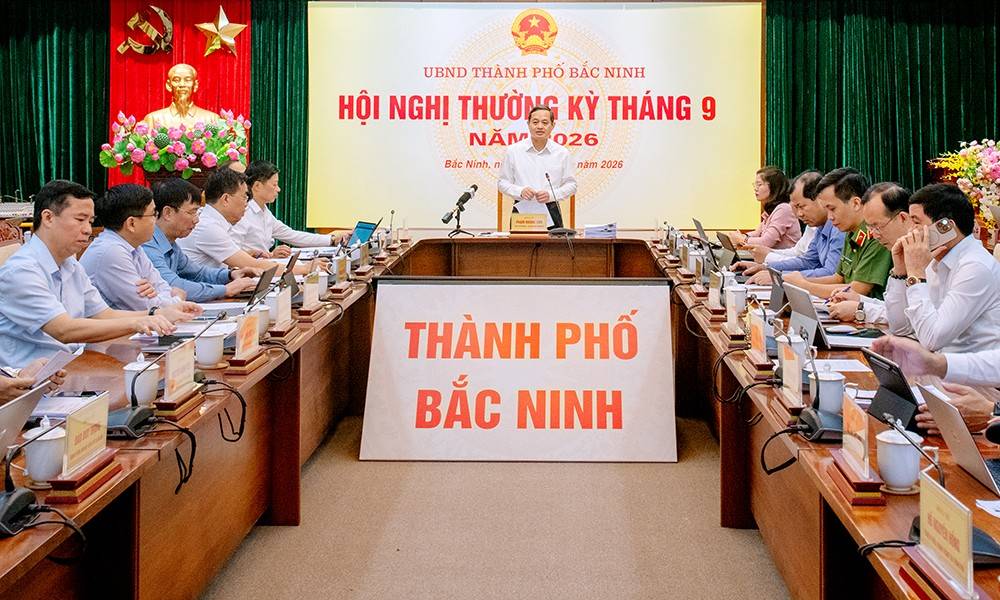
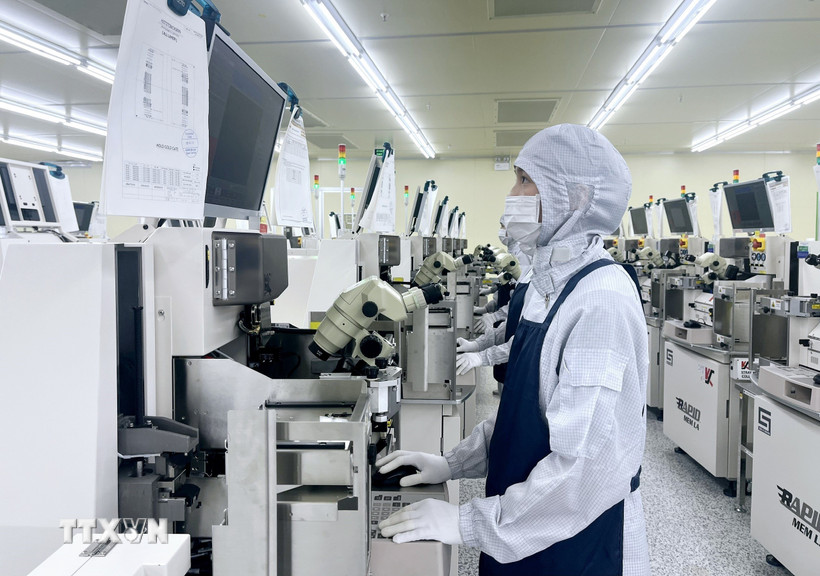
According to Mai Son, Vice Chairman of the Bac Ninh City People's Committee, the city will focus on attracting investment resources effectively and expanding its industrial development space. By 2030 Bac Ninh aims to be an electronics industry hub centred on semiconductors, integrated circuits and artificial intelligence; by 2040 to have an economy balanced between high-tech industry and services and logistics; and by 2050 to become a livable city of Asian regional standing.
Planning orientation to 2050
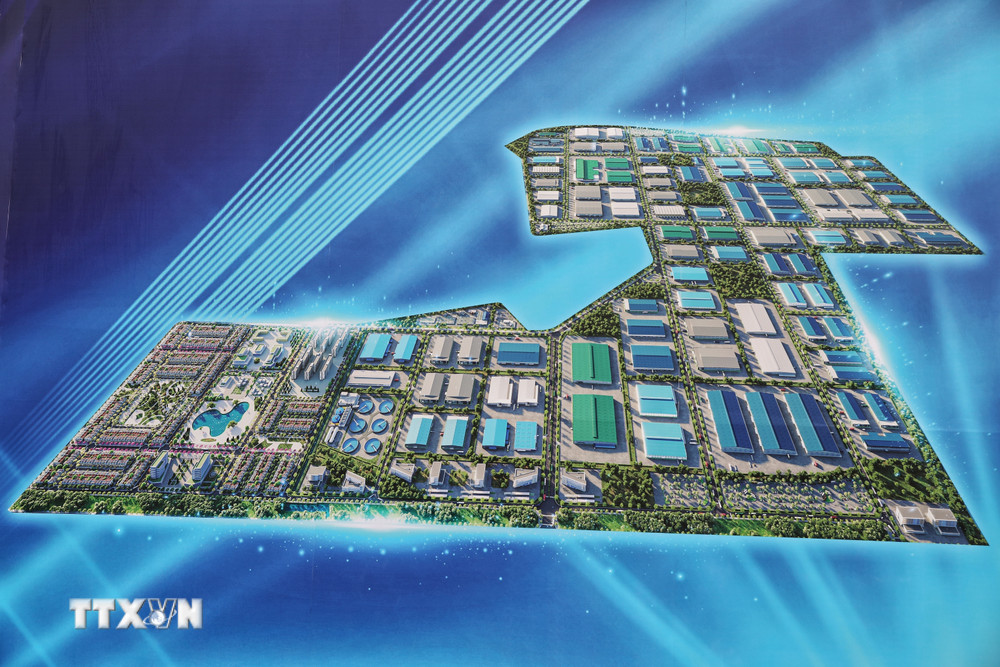
The Bac Ninh urban master plan to 2050 sets out a multi-polar, multi-centre urban model with three development zones, four development corridors and six driving-force centre clusters. Industrial parks are planned with a total area of about 25,000 hectares, shifting from processing and assembly to semiconductors and integrated circuits, artificial intelligence, unmanned aerial vehicles, the aviation industry and research and development (R&D). Industrial clusters will cover about 6,000 to 6,500 hectares and gradually convert to a green industrial cluster model.
Priority sectors by area
The Yen Phong, Que Vo and Viet Yen area will develop electronics, high-tech industry and large-scale industrial logistics. The Gia Thuan area will develop high-tech industry, aviation logistics and aviation services linked to Gia Binh International Airport. The Lang Giang - Luc Nam area will develop green and supporting industries. The Hiep Hoa and Tan Yen - Yen The area will develop clean and supporting industries linked to high-tech agriculture.
Current status and nine-month results in 2026
To date the city has planned 72 industrial parks with a total area of 21,519 hectares, of which 39 parks covering 11,903 hectares have received investment policy approval or been established, with an occupancy rate of about 52%. A total of 101 industrial clusters have been established, covering 4,113 hectares.
In nine months, converted investment capital attracted exceeded USD 18.0 billion, with 419 newly licensed projects and 308 adjusted projects; more than 6,300 enterprises were newly established with total registered capital of VND 106,416 billion. Industrial production value is estimated at VND 2.55 quadrillion (about USD 100 billion), up 20.81% year on year.
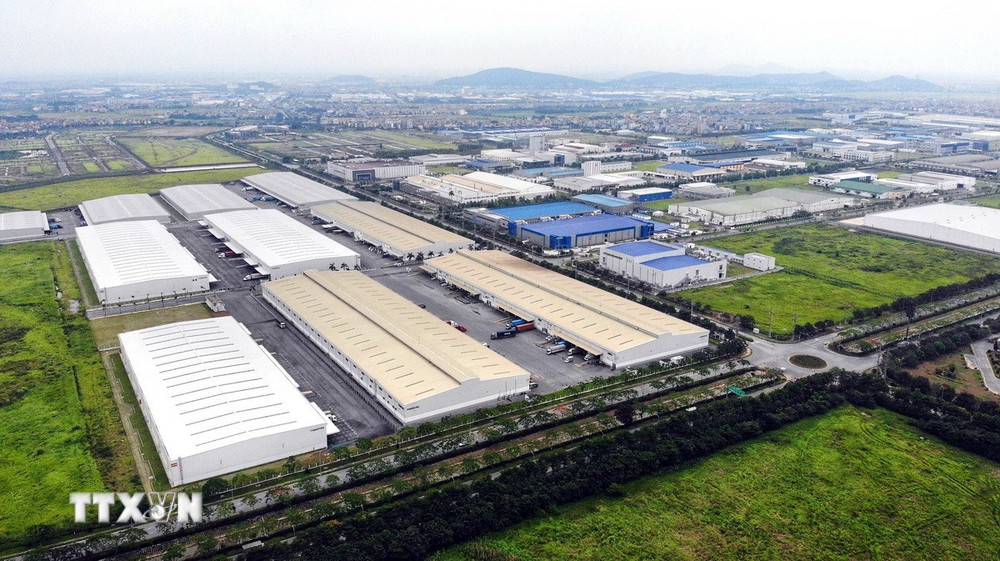
The city is coordinating the implementation of key works such as Gia Binh International Airport, Ring Road 4, Ring Road 5, the railway system and inter-regional logistics infrastructure, while developing renewable energy sources and battery energy storage systems (BESS) to ensure a stable power supply for industrial production.
Source: vietnamplus.vn, republished on the portal of the Bac Ninh City Industrial Zones Authority. View the original article (in Vietnamese).